

Bruxism and TMJ/TMD Treatment
Relief for Jaw Pain, Teeth Grinding, and Clenching
Many people grind their teeth or clench their jaw without even realizing it. Over time, that pressure can lead to worn teeth, jaw pain, headaches, and damage to the jaw joint.
Dentists see this condition frequently. The good news is that with the right approach, it can often be managed effectively and the damage to your teeth can be prevented.
You don’t have to power through jaw pain. Try this 5-minute exercise to relax your jaw, and give us a call at 503-644-5433 so we can get you in to talk to Dr. Hicks and the LifeSmile Dental team about how we can help!

What Is Bruxism?
Bruxism is the medical term for excessive teeth grinding or jaw clenching. The muscles that move your jaw are extremely strong—they’re capable of producing hundreds of pounds of pressure. When that force is applied repeatedly to your teeth, it can cause significant wear and damage over time.
Bruxism generally happens in two ways:
Awake bruxism
This occurs during the day, often when someone is concentrating, stressed, frustrated, or anxious. Many people don’t realize they are clenching their jaw while working, driving, or focusing on a task.
Simply becoming aware of the habit can sometimes help reduce it. Stress management and relaxation techniques can also help.
Sleep bruxism
More commonly, grinding and clenching happen during sleep. Because it occurs unconsciously, people often don’t realize it’s happening until symptoms appear or a dentist notices signs of wear on their teeth.
Sleep bruxism can place significant strain on teeth and the jaw over time.
Let’s get your jaw clenching and pain addressed.
Schedule a consultation today!
What Is TMJ or TMD?
The temporomandibular joint (TMJ) is the complex joint that connects your lower jaw to your skull. It allows your jaw to move up and down, side to side, and forward and back so you can speak, chew, and yawn.
When this joint becomes irritated or strained, it can lead to temporomandibular joint disorder (TMD).
Bruxism and clenching often place extra stress on this joint, which can contribute to TMJ symptoms.
How Dentists Help Treat Bruxism and TMJ Issues
While there isn’t a permanent cure for sleep bruxism, dentists can help manage the condition and prevent long-term damage.
Treatment may involve:
Identifying signs of tooth wear early
Discussing lifestyle factors that may contribute to grinding
Recommending stress-reduction or jaw relaxation techniques
Addressing sleep issues that may be involved
Protecting the teeth and jaw with a custom nightguard
The goal is to reduce strain on your teeth and jaw while preventing further damage.
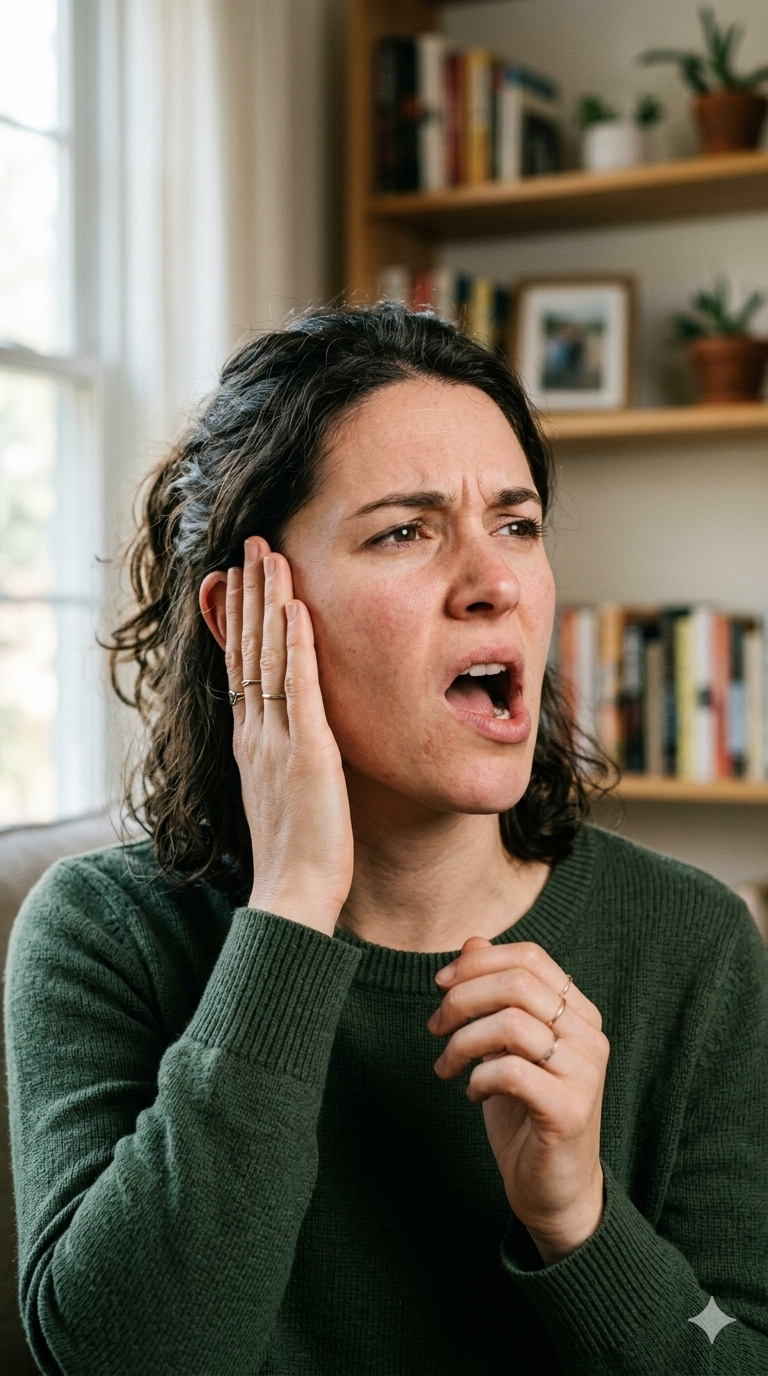
Signs You May Be Grinding or Clenching Your Teeth
Many people with bruxism don’t realize they have it until symptoms begin to appear.
Common signs include:
Tooth pain or sensitivity
Teeth that appear flattened or worn
Chipped or cracked teeth
Loose teeth
Frequent headaches
Facial pain or jaw soreness
Clicking or popping sounds when opening or closing your mouth
Earaches or ringing in the ears
Waking up with soreness in your jaw
Bite marks or injuries on the tongue, cheeks, or lips
Sleep disruption or fatigue
Being told you grind your teeth while sleeping
If you notice several of these symptoms, it’s worth discussing them with your dentist.
Custom Nightguards for Teeth Grinding
One of the most effective ways to protect your teeth from grinding is a custom nightguard. A nightguard fits over your teeth and acts as a protective barrier. It prevents the teeth from grinding directly against each other and helps reduce pressure on the jaw joint.
To create a nightguard:
Your care team at LifeSmile Dental Group takes an impression or digital scan of your teeth.
The team sends your impressions to a specialized dental laboratory. They fabricate an appliance designed specifically for your bite.
You visit LifeSmile Dental Group again to check that the nightguard is adjusted to ensure a comfortable and precise fit.
Custom nightguards provided by LifeSmile Dental are typically more comfortable, more durable, and more effective than over-the-counter versions.
Bruxism FAQs
-
There isn’t always a single clear cause. Bruxism is often linked to a combination of physical, emotional, and lifestyle factors. Understanding the potential triggers can help guide treatment.
Possible triggers include:
Stress or anxiety
Certain personality traits or high concentration habits
Alcohol or caffeine consumption
Cigarette smoking
Sleep disorders such as sleep apnea
Bite or tooth alignment issues
Certain medications or medical conditions
A tendency that runs in families
-
Without treatment, ongoing grinding and clenching can lead to:
Severe tooth wear
Cracked or fractured teeth
Damage to crowns, veneers, or fillings
Dental implant complications
Jaw pain and joint strain
Long-term TMJ problems
-
Sleep bruxism can be linked to stress, anxiety, sleep disorders such as sleep apnea, certain medications, bite issues, alcohol or caffeine use, and family history.
-
Common signs include waking up with jaw soreness, headaches, tooth sensitivity, worn or chipped teeth, facial pain, or being told that you grind your teeth while sleeping.
-
TMJ refers to the temporomandibular joint itself. TMD refers to disorders affecting that joint, the muscles around it, or how the jaw functions.
-
Yes. The pressure from clenching and grinding can strain the jaw muscles and joint, which may lead to soreness, facial pain, headaches, and clicking or popping when the jaw moves.
-
A custom nightguard is often one of the most effective ways to protect teeth from grinding and reduce pressure on the jaw. Dr. Hicks can determine whether it’s a good fit for your symptoms.

Ready to love your smile again?
Your dream smile starts with a simple conversation — and one visit can change how you feel every single day.
Whether you want a small enhancement or a full transformation, our team at LifeSmile Dental in Beaverton will guide you every step of the way.