
Mouthguards: The Simplest Way to Protect Your Teeth (and Avoid a Very Expensive Mistake)
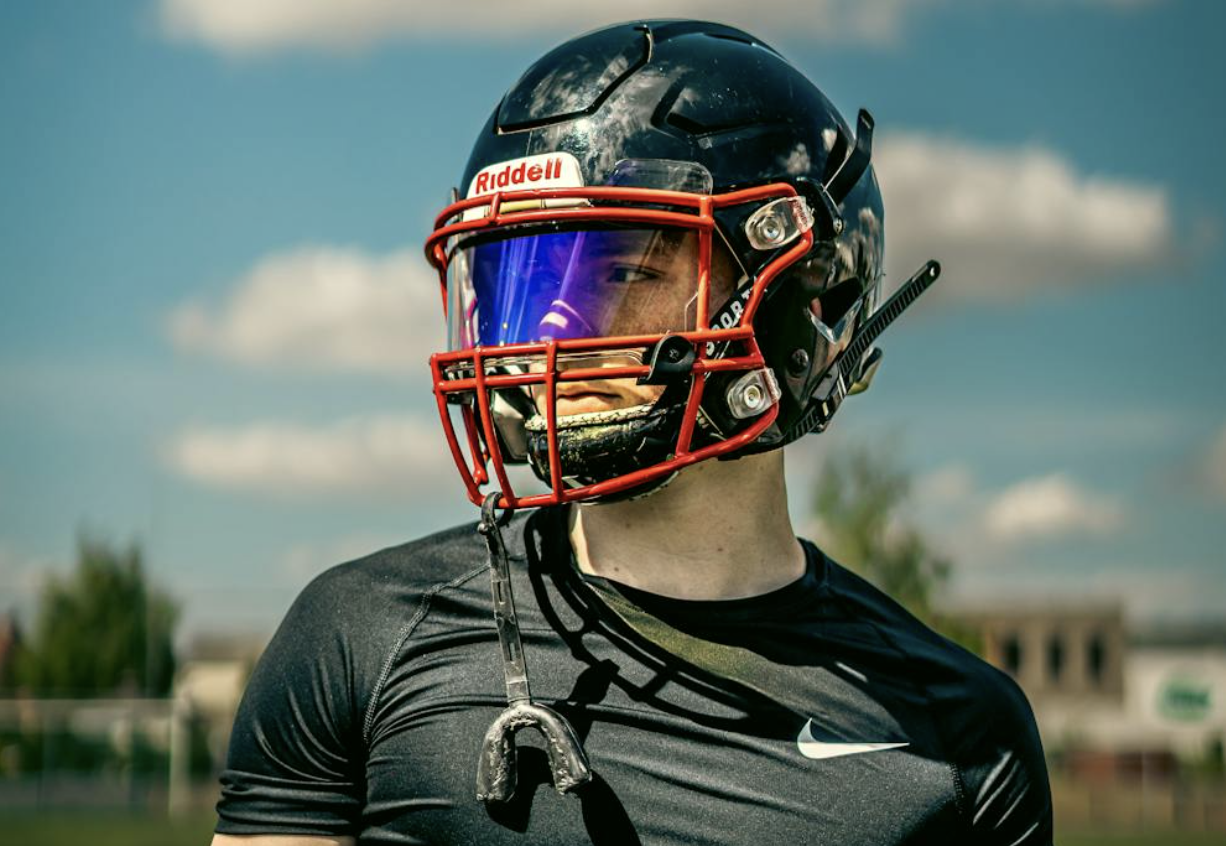
You can replace a bike.
You can replace a helmet.
You cannot easily replace your natural teeth.
And yet, dental injuries are one of the most common (and most preventable) sports injuries. A mouthguard is one of the lowest-effort, highest-impact things you can do to protect your smile. Whether you're playing competitive sports or just staying active, it acts like a shock absorber for your teeth and jaw.
Why a Mouthguard Actually Matters
When you take a hit—whether it’s an elbow, a fall, or a collision—that force has to go somewhere. Without protection, it goes straight to your:
Teeth (chips, cracks, or full knockouts)
Jaw (including TMJ strain or injury)
Soft tissues (cuts to lips, cheeks, and tongue)
A mouthguard helps absorb and distribute that force, reducing the chance of serious damage. And here’s the part people underestimate: Even a “small” dental injury can mean thousands of dollars in repair, and sometimes permanent changes to your smile.
Even though we love you to see you, we don’t want to you to have to come in the office for expensive emergency dental work!
“But I’m Not Playing Football…”
You don’t need to be in a full-contact sport to be at risk. The American Dental Association recommends mouthguards for activities like:
Basketball, soccer, and baseball
Cycling, skateboarding, and skiing
Martial arts, gymnastics, and weightlifting
If there’s any chance of falling, colliding, or getting hit, you’re a candidate for a mouthguard.
If You Have Braces—It’s Non-Negotiable
Braces already put hardware inside your mouth. EXPENSIVE hardware. Without a mouthguard, a hit can not only damage the brackets and wires that are forming your gorgeous smile, but can also cause serious cuts inside your cheeks and lips.
A mouthguard creates a buffer between your braces and soft tissue. This is one of those “don’t skip it” situations. (Dr. Hicks looks pained as I check with him while writing this. “Please, please, let us make you a mouthguard.”)
Not All Mouthguards Are Created Equal
Let’s be honest—fit matters. A lot.
Store-Bought
Store-bought mouthguards are definitely the cheapest option. These come pre-formed and in limited sizes. They often don’t fit well (because every mouth is different), and can be bulky and uncomfortable. Ultimately, you’ll probably talk less, and breathe worse. Not ideal for activities that require a mouthguard.
Boil-and-Bite
Some mouthguards are customizable in small ways, like the ‘boil-and-bite’ style. You can definitely get a better fit than store-bought stock mouthguards, simply because they are conformed to the shape of your teeth.
However, this isn’t always an easy process. These mouthguards are molded at home after dropping a special plastic form into boiling water, then removing the mouthguard from boiling water and putting it in your mouth and biting down. If you have any tooth sensitivity to heat, this can be uncomfortable.
This is a decent middle-ground option, but they typically don’t last longer than one or two seasons.
Custom (From Your Dentist)
Obviously, we think these are the best option for everyone. A custom mouthguard is created specifically for your mouth by the dentist. We use a quick-forming gel mold in the office and can turn around your new mouth guard in just a couple of weeks.
These mouthguards are thinner and more comfortable, and make it easier for you to breathe and talk while wearing them. Frankly, we consider this the best protection, hands down, to protect your teeth in the long term.
If you’re serious about protecting your teeth (or you actually want to wear the thing consistently), custom is the move.
A Mouthguard Only Works If You Actually Use It
And it only works well if you take care of it.
Keep It Clean
Rinse after every use
Brush it daily with a soft toothbrush
Let it fully dry before storing
Otherwise…yeah, you’re basically putting a bacteria farm in your mouth.
Store It Properly
Always use a case
Keep it away from heat (hot cars = warped guard)
Don’t chew on it like it’s gum
Replace It When Needed
If your mouthguard is getting worn down, warped, cracked or just doesn’t ‘fit right’ anymore, it’s not protecting you the way you think it is.
Bottom Line
A mouthguard is a small habit that prevents big problems. It protects your teeth, jaw, soft tissue, and your wallet. And once you need one, you’ll wish you had already been wearing it.
Want something that actually fits and feels good enough to wear every time? Ask Dr. Hicks at LifeSmile Dental Group about a custom mouthguard. It’s one of the easiest upgrades you can make for your long-term dental health.