
Veneers Are a Natural-Looking Way to Upgrade Your Smile
Some smile concerns are small on paper but huge in real life.
A chipped front tooth. A gap that always catches your eye in photos. Stains that whitening never quite fixes. Teeth that are slightly uneven, worn down, or not shaped the way you want them to be.
None of these issues may be “serious” from a health standpoint. But if they make you hide your smile, avoid photos, or feel less confident when you talk, they matter.
Dental veneers are one of the most effective cosmetic dentistry options for creating a brighter, more balanced, natural-looking smile. At LifeSmile Dental in Beaverton, veneers can be used to improve the appearance of teeth with chips, cracks, discoloration, small gaps, uneven edges, and minor shape or alignment concerns.
What Are Dental Veneers?
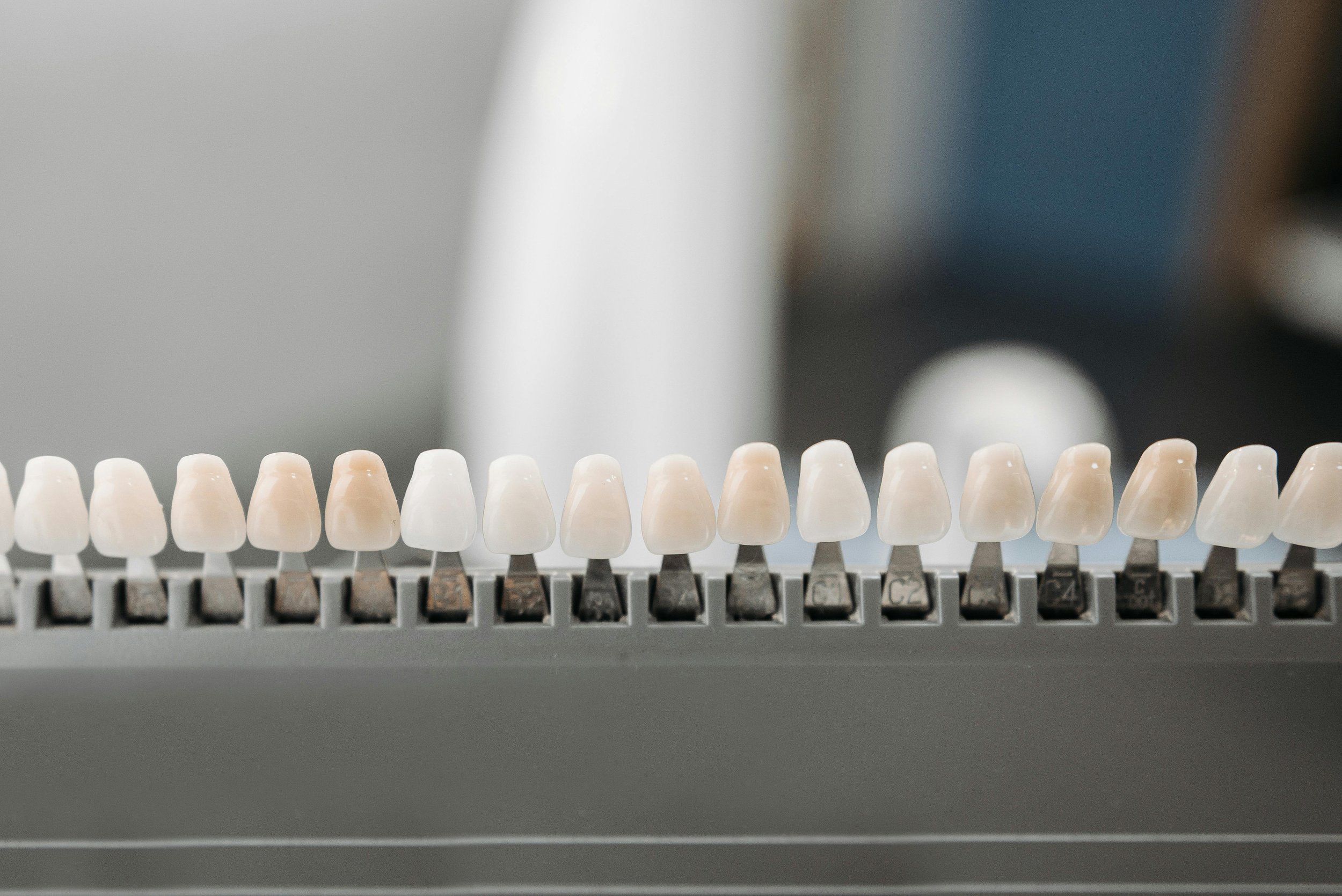
A dental veneer is a thin, durable shell that is bonded to the front surface of a tooth. Veneers are most often made from porcelain because porcelain reflects light in a way that looks similar to natural enamel. That is what helps veneers look polished without looking fake.
Think of a veneer as a custom-designed facing for your tooth. It does not replace the whole tooth. It covers the visible front surface to improve the tooth’s color, shape, size, and overall appearance.
Veneers can be used on one tooth, several teeth, or the teeth that show most when you smile.
What Can Veneers Fix?
Veneers are popular because they can address several cosmetic concerns at once. They may be a good option for improving teeth that are:
Chipped or slightly cracked
Worn down at the edges
Deeply stained or discolored
Uneven in size or shape
Slightly misaligned
Separated by small gaps
Too small or narrow compared to surrounding teeth
This is why veneers are often used in smile makeovers. Instead of treating color, shape, and spacing as separate problems, veneers can create a more cohesive result.
That said, veneers are cosmetic, not magic. They are best for healthy teeth with aesthetic concerns. If a tooth has major decay, structural damage, gum disease, or severe alignment problems, your dentist may recommend another treatment first.
Veneers vs. Whitening, Bonding, and Crowns
Patients often ask whether they need veneers or whether a simpler cosmetic treatment would work. The honest answer is: it depends on what you are trying to change.
Veneers vs. Teeth Whitening
Teeth whitening can be a great option if your main concern is general tooth color. But whitening only changes shade. It does not change shape, size, spacing, or worn edges.
Whitening also may not work well on certain types of discoloration, including deep internal stains, older dental work, or staining caused by medication or trauma.
Veneers can cover discoloration that whitening cannot fully correct while also improving the shape and symmetry of the teeth.
Veneers vs. Dental Bonding
Dental bonding uses tooth-colored resin to repair small chips, gaps, or uneven areas. It is usually less expensive than veneers and can often be completed in one appointment.
The tradeoff is durability. Bonding can stain, chip, or wear down more quickly than porcelain veneers. Veneers generally last longer and offer a more natural-looking, stain-resistant finish.
Bonding can be a smart option for small fixes. Veneers are often better when you want a bigger cosmetic improvement or a longer-lasting result.
Veneers vs. Crowns
A crown covers the entire tooth. A veneer covers the front surface.
If a tooth is badly damaged, weakened, heavily filled, or structurally compromised, a crown may be the better choice. But if the tooth is healthy and the concern is mostly cosmetic, a veneer can preserve more of the natural tooth structure.
This is one reason veneers are so appealing: they can create a major visual change while being more conservative than crowns in the right situation.
What Is the Veneer Process Like?
Getting veneers usually takes several appointments. The process is careful because the goal is not just “white teeth.” The goal is teeth that fit your face, your bite, your smile, and your natural appearance.
Consultation
Your first visit is a conversation. You and your dentist talk about what you want to change, what you like or dislike about your smile, and what kind of result would feel right to you.
This is where you can discuss tooth color, shape, symmetry, and how natural or dramatic you want the final look to be.
The best veneer results do not look like a copy-and-paste celebrity smile. They look like your smile, upgraded.
Exam and Planning
Before veneers are recommended, your dentist will examine your teeth and gums to make sure your mouth is healthy enough for cosmetic treatment.
This may include photos, X-rays, impressions, digital scans, and measurements. Your dentist will also evaluate your bite, tooth position, gum health, and whether you grind or clench your teeth.
This step matters. Veneers need a healthy foundation.
Tooth Preparation
For traditional porcelain veneers, a small amount of enamel is usually removed from the front surface of the tooth. This allows the veneer to fit naturally and sit flush with the surrounding teeth.
After preparation, impressions or scans are taken so the veneers can be custom-made. Your dentist will also help select a shade that looks bright but believable.
This is where cosmetic dentistry becomes part science, part design.
Fabrication
Your veneers are made by a dental lab using your dentist’s instructions. The lab creates each veneer to match the desired shape, size, contour, and color.
A good veneer is not just a white rectangle slapped onto a tooth. Tiny details matter: translucency, edge shape, surface texture, and how the tooth catches light.
Placement
When your veneers are ready, your dentist will place them on your teeth temporarily to check the fit, shape, color, and overall appearance. Adjustments can be made before they are permanently bonded.
Once everything looks and feels right, the teeth are cleaned and the veneers are bonded in place using dental cement.
The result is a stronger, smoother, more balanced smile that still feels like you.
Are Veneers Permanent?
Yes, veneers should be considered permanent.
Because a small amount of enamel is usually removed during preparation, the tooth will always need to be covered with a veneer or another restoration in the future. Veneers can last a long time, but they are not a one-time forever treatment.
With proper care, porcelain veneers often last 10 to 15 years or longer. Eventually, they may need to be repaired or replaced due to normal wear, damage, gum changes, or changes in your smile over time.
This is not a reason to avoid veneers. It is simply something to understand before choosing them.
Are Veneers Right for Everyone?
Veneers are a strong cosmetic option, but they are not right for every patient.
You may be a good candidate for veneers if your teeth and gums are healthy, your cosmetic concerns are mostly on the visible front surfaces of your teeth, and you want a long-lasting improvement in tooth color, shape, or symmetry.
Veneers may not be the best choice if you have untreated cavities, active gum disease, severe tooth grinding, major bite problems, or significant orthodontic misalignment.
If you clench or grind your teeth, your dentist may recommend a nightguard to protect your veneers after treatment. Skipping that step is a great way to turn a beautiful investment into an expensive little tragedy. Very dramatic. Very avoidable.
How Do You Care for Veneers?
Veneers do not require complicated care, but they do require consistency.
Brush twice a day with a non-abrasive fluoride toothpaste. Floss daily. Keep up with regular dental cleanings and exams. Avoid chewing ice, biting fingernails, opening packages with your teeth, or using your teeth as tools.
Porcelain veneers are stain-resistant, but the natural teeth around them and the bonding material at the edges can still be affected by coffee, tea, red wine, tobacco, and poor oral hygiene.
If you grind or clench, wear your nightguard as recommended. Basically: treat your veneers like something you paid good money for. Because you did.
The Advantages of Veneers
Veneers offer several advantages over other cosmetic dental treatments.
They can cover stains that whitening cannot remove. They can improve tooth shape and size in a way whitening never could. They are more stain-resistant than bonding and typically last longer. They can create a natural-looking result because porcelain has a translucent quality similar to enamel.
Veneers can also preserve more natural tooth structure than crowns when the underlying teeth are healthy and the concern is cosmetic.
For many patients, veneers are not about chasing perfection. They are about finally liking what they see when they smile.
Veneers in Beaverton, OR
If chips, gaps, stains, uneven edges, or misshapen teeth are affecting your confidence, veneers may be worth discussing with your dentist.
At LifeSmile Dental in Beaverton, we help patients explore cosmetic dentistry options that fit their goals, oral health, and lifestyle. Whether you are considering one veneer for a chipped tooth or a more complete smile enhancement, the first step is a consultation.
A better smile does not have to look artificial. Done well, veneers should look natural, balanced, and very much like you — just with the distracting little imperfections cleaned up.